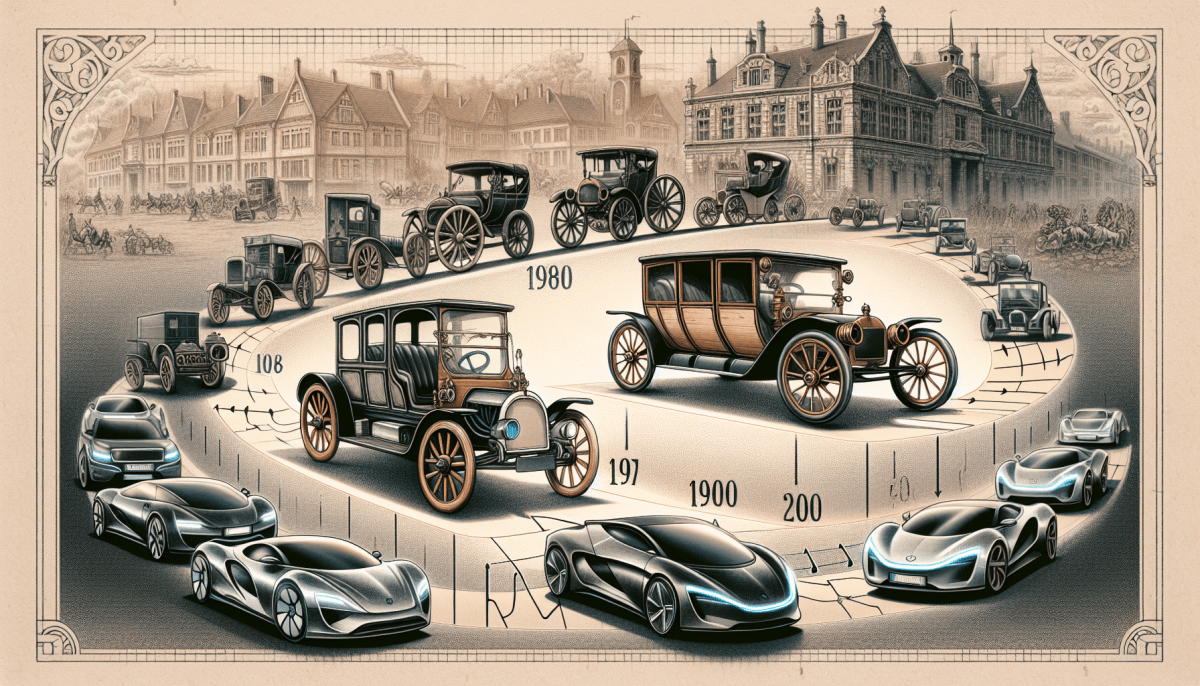
Electric vehicles have a long and fascinating history that stretches back over a century. Believe it or not, the very first electric car hit the streets in the early 1800s. Inventors like Robert Anderson and Thomas Parker played a key role in building these early battery-powered rides. These weren’t sleek and shiny like the ones we see today, but they sparked interest in an alternative to steam and gasoline engines.
Fast forward to the late 19th and early 20th centuries, and electric cars were on the rise. They were quiet, easy to drive, and didn’t require the hand-cranking that gas cars did. At one point, electric vehicles even outsold their gas counterparts! But this golden age didn’t last. The discovery of abundant oil and the mass production of gasoline cars led to a decline in electric vehicle popularity. Gas cars became the go-to choice for many drivers.
Despite fading into the background for several decades, electric vehicles made a comeback in the late 20th century thanks to advances in battery technology and growing environmental concerns. With companies like General Motors releasing models like the EV1, people started to see electric vehicles as a viable alternative again. This renewed interest laid the groundwork for the electric vehicle boom we’re witnessing today.
Now, in the 21st century, we're seeing electric vehicles evolve faster than ever. Major players like Tesla and Nissan are pushing the envelope with impressive range, sleek designs, and smart technology. More people are choosing electric cars, and charging stations are popping up everywhere. It’s an exciting time to be a part of the electric vehicle revolution, and it’s clear they're here to stay!
Early Innovations That Changed Everything
Electric vehicles have come a long way, and it all started with a few remarkable innovations. Did you know that the first electric car was made way back in the 1830s? Inventors were experimenting with battery technology and created the first small electric vehicle. It was a neat idea that captured people's imaginations, but it didn’t catch on right away.
Fast forward to the late 19th century, when things really started to heat up. Thomas Parker, an English inventor, built a practical electric vehicle in 1889. He used non-rechargeable batteries, which was a cool step forward but a bit of a hassle when it came to use. Despite that, his work laid the groundwork for future innovations.
Then came the early 1900s. Electric cars began to gain popularity alongside gas-powered vehicles. They were quiet, easy to drive, and didn’t require a lot of maintenance. Notably, the Baker Motor Vehicle Company produced electric taxis, which were a hit in cities. But soon after, internal combustion engines took over due to their longer range and cheaper fuel options.
In the 1970s, the oil crisis sparked new interest in electric vehicles. This was a pivotal moment that led to renewed research and development. Cars like the EV1 by General Motors showed that electric vehicles could be practical and fun to drive. Even though the EV1 didn’t stick around, it lit a fire in the industry that we’re still feeling today.
These early innovations set the stage for the electric vehicles we enjoy now. They showed the world that electric driving wasn’t just a dream; it was possible. All the pieces were being put in place for the big electric vehicle revolution that’s happening right now.
Modern Advances in Electric Vehicle Technology
Electric vehicle technology has come a long way in just a few years. Remember when EVs had limited range and took forever to charge? Not anymore! Modern advancements have made these vehicles more user-friendly and practical for daily life.
Battery technology is one of the biggest game-changers. Newer batteries charge faster and last longer, making it easier to hit the road without worrying about finding a charging station. Companies are pouring money into research, and it’s paying off. It used to be a hassle to plan long trips, but now you can drive hundreds of miles on a single charge.
Then you've got smart features. Many electric vehicles come loaded with tech that makes driving safer and fun. Things like advanced autopilot systems, real-time energy consumption tracking, and integrated apps that help you find nearby charging stations take the EV experience to the next level. It’s like having a smart assistant in your car!
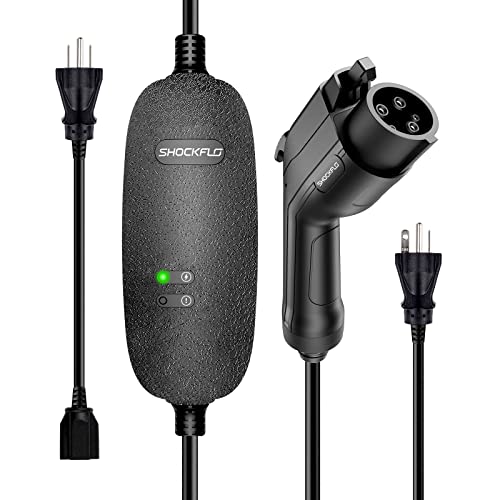
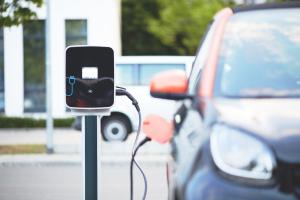
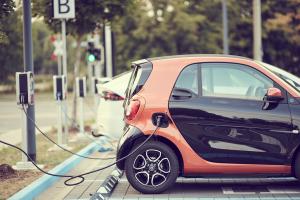
Plus, there's an impressive rise in charging infrastructure. More charging stations are popping up everywhere, making it easy to keep your car charged while you're out and about. Some communities even offer fast-charging options, so you can grab a coffee while your vehicle powers up.
With all these advancements, switching to an electric vehicle feels less like a sacrifice and more like an exciting opportunity. The future of transportation is here, and it looks bright and electric!
Looking Ahead to Electric Vehicle Futures
Electric vehicles are just the tip of the iceberg when it comes to what’s next in the auto world. As technology keeps evolving, the future looks bright. Imagine roads filled with EVs that can charge themselves while you drive. Sounds like something out of a sci-fi movie, right? But with wireless charging tech on the rise, we might not be far off from that.
Another exciting prospect is the development of better batteries. These new batteries could mean faster charging times and longer ranges. No more worrying about where to plug in or running out of juice on a long trip! Companies are racing to come up with solid-state batteries that are lighter, last longer, and are safer too.
Autonomous driving is also part of this electric future. Picture getting into your car, pressing a button, and just relaxing as it drives you to your destination. This could make commuting way less stressful. Pair that with an electric powertrain, and you're looking at a smooth, eco-friendly ride.
Finally, let’s not forget about sustainability. As more people switch to electric vehicles, we’ll see a shift in how we think about energy. Solar-powered charging stations and renewable energy sources will make powering our cars even greener. It’s all about creating a balance between our love for driving and taking care of the planet.