Electric vehicles are not just cool rides; they’re changing the way we think about energy. When you plug in your EV, you're tapping into a whole new way of powering our lives. Instead of just filling up at the gas station, people are charging up at home, work, or even at those quick charge stations. This shift is making us rethink where our energy comes from and how we use it.
With more EVs on the road, demand for electricity is rising. This is a big deal for our energy grid. Utilities are stepping up to make sure they can handle this increased demand. Think solar, wind, and other renewable sources. More EV use means more push for these clean energy options. The goal? A greener planet and fewer emissions.
Also, EVs can actually help stabilize the grid. Picture this: when the sun is shining bright or the wind is blowing strong, there’s a surplus of energy. EVs can store this power and release it back to the grid when things get a bit dicey, like during a peak demand time. It’s a win-win for everyone.
As more folks make the switch to electric, it’s not just about individual choices. It’s about creating a community that values sustainability. From policy changes to innovative tech, the push for EVs is shaping the energy landscape in a big way. We’re not just driving change; we’re charging it up!
The Impact of EVs on Power Demand
Electric vehicles (EVs) are changing the way we think about energy consumption. As more people switch to EVs, the demand for electricity is on the rise. This increase isn't just about plugging in your car at night. It has a ripple effect throughout the whole energy grid.
When EVs hit the road, they need charging. If everyone plugs in after work, that can create a big spike in energy demand. This means power companies have to be ready to supply extra electricity, especially during peak hours. That’s why more utilities are looking into smart charging solutions that can help spread out the demand. Smart charging can shift charging times based on when energy is cheaper and more available.
On the flip side, EVs can actually help stabilize the grid. With technologies like vehicle-to-grid (V2G), your car can send electricity back to the grid during high demand times. This can help balance things out and keep costs down. Plus, if you have solar panels at home, you can use that energy to charge your EV, making everything more sustainable.
As more EVs hit the streets, there’s a push for better infrastructure, too. Cities are installing more charging stations and upgrading the electrical grids to handle the new demand. This means a greener future isn’t just about cars; it's about building a smart, efficient energy network that can support all the EVs on the road.
Charging Infrastructure and Renewable Energy
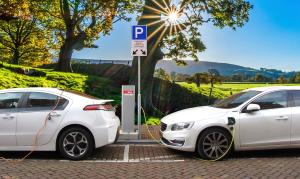
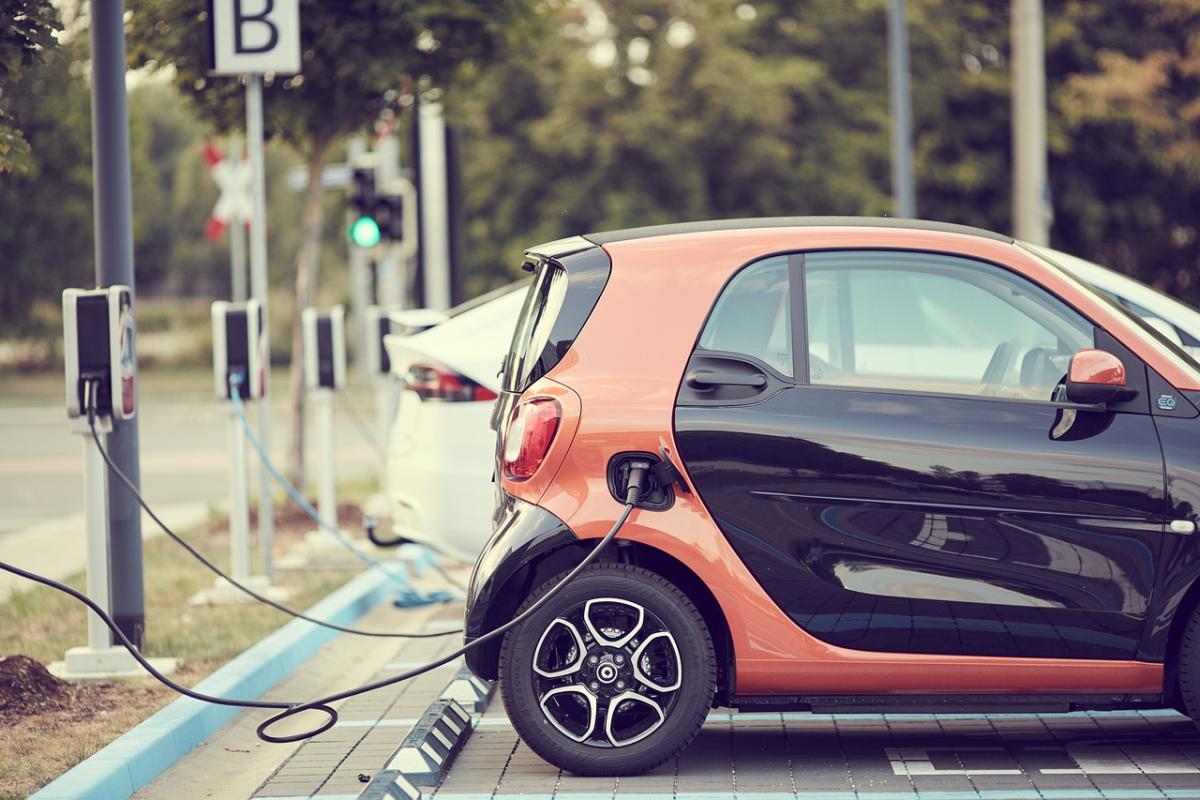
Electric vehicles (EVs) are changing the game when it comes to how we think about energy. As more folks swap their gas guzzlers for sleek electric rides, charging infrastructure is popping up everywhere. Think about it: those charging stations are like fuel pumps but way cooler and cleaner. They’re becoming a regular sight in parking lots, garages, and on highways, making it super easy for EV owners to charge up while they’re out and about.
Now, let’s connect those dots with renewable energy. Picture this: your home charging station powered by solar panels soaking in the sun's rays, transforming sunlight into clean energy for your car. If more EVs plug into renewable sources, we can shift away from old-school energy sources and reduce our carbon footprint. That’s a win-win for our planet!
Plus, with smart charging technology, EVs can be a part of the energy grid, actually helping balance it. During peak demand, folks can charge their cars when energy is cheaper and cleaner. When there’s a surge in demand, or when the grid needs backup, electric vehicles can send energy back into the system. It’s like having a little battery on wheels that helps keep the lights on.
So, as we ramp up EV adoption, the future looks bright. The closer we align EV charging with renewable energy sources, the more efficient and resilient our energy grid becomes. It’s all about teamwork: cars, chargers, and clean energy working together for a sustainable future.
Future Trends in EV Energy Management
As electric vehicles (EVs) become more popular, we're seeing some exciting trends in how we manage energy. One big thing to watch is vehicle-to-grid (V2G) technology. This lets electric cars send energy back to the grid when they’re not in use. Imagine your EV acting as a mini power plant! This can help keep energy flowing smoothly during peak demand times and even earn you some cash in the process.
Another cool trend is smart charging. Thanks to apps and advanced charging stations, you can charge your EV when electricity is cheaper or when there's more renewable energy available. This means you can save money and support clean energy sources. Plus, it's just super convenient to plug in your car and let the tech do its thing!
Energy management systems are also getting smarter. These systems can predict when you’ll need your car charged based on your schedule, and they can optimize your charging to make it more efficient. They also help households with solar panels use stored energy from their EVs. It’s a win-win for everyone involved!
As charging infrastructure improves, we’ll see more options for where and how you can charge your car. Think about fast chargers at shopping centers or parks! It’ll become easier to own an EV, as you won't have to worry as much about running out of juice. All of this makes owning an electric vehicle even more appealing!